The global energy landscape is undergoing one of the most significant transformations in modern history. As climate concerns intensify and utility prices continue to fluctuate, homeowners are actively searching for alternative solutions that provide stability, sustainability, and long-term savings. While solar energy has dominated the conversation in residential renewables, small-scale wind power is emerging as a powerful complementary or standalone solution for homeowners seeking energy independence.
Understanding Residential Wind Energy
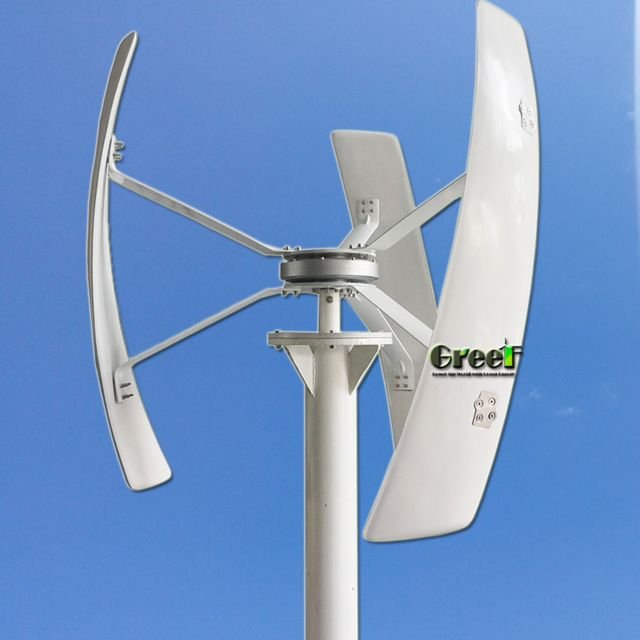
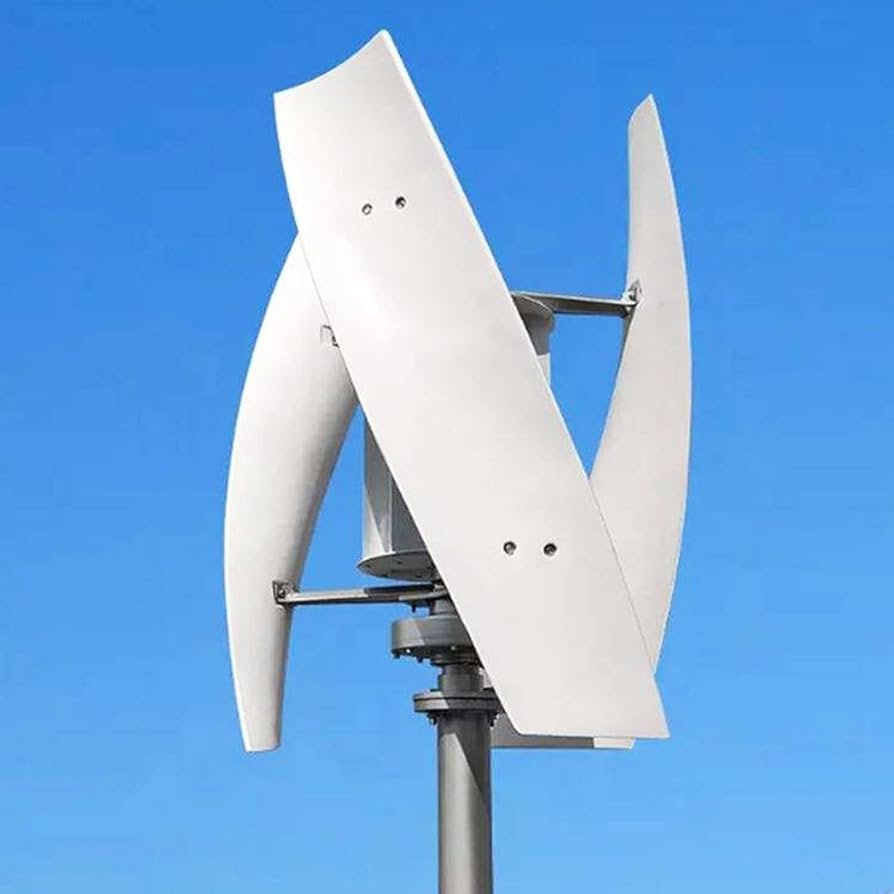
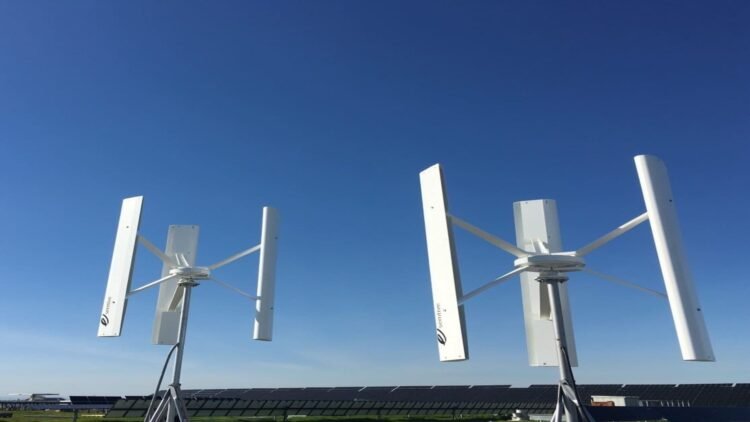
Residential wind energy systems are designed to generate electricity using small wind turbines installed on private properties. Unlike the massive utility-scale wind farms seen across rural landscapes, home wind turbines are compact systems engineered to meet the electricity needs of individual households, farms, or small properties.
These systems typically include:
- A wind turbine (rotor blades and generator)
- A tower or mounting structure
- An inverter
- A controller
- Optional battery storage
- Grid connection components (for grid-tied systems)
When wind turns the turbine blades, mechanical energy is converted into electrical energy through a generator. The electricity can either be used immediately, stored in batteries, or exported back to the grid depending on the system design.
Why Homeowners Are Considering Wind Power
Several key factors are driving interest in residential wind energy:
1. Rising Utility Costs
Electricity rates in many regions have steadily increased over the past decade. Homeowners are becoming increasingly concerned about unpredictable monthly bills. Wind power offers a way to stabilize long-term energy costs.
2. Energy Independence
Power outages caused by storms, grid failures, or infrastructure challenges have highlighted the vulnerability of centralized power systems. Residential wind turbines, especially when paired with battery storage, provide resilience and backup power capabilities.
3. Environmental Responsibility
Reducing carbon footprints is a major priority for environmentally conscious homeowners. Wind energy generates electricity without greenhouse gas emissions, making it one of the cleanest energy sources available.
4. Rural and High-Wind Areas
In rural areas where average wind speeds are favorable, residential wind turbines can outperform solar systems during certain seasons, particularly winter months when wind speeds are stronger and daylight hours are shorter.
Comparing Wind and Solar for Homes
While solar panels are more common, wind energy offers unique advantages:
| Factor | Solar Energy | Residential Wind Energy |
|---|---|---|
| Energy Production | Daytime only | Day & night (when windy) |
| Seasonal Variation | Stronger in summer | Often stronger in winter |
| Space Requirements | Roof/ground space | Tower and clearance area |
| Performance | Dependent on sunlight | Dependent on wind speed |
For properties with consistent wind speeds above 10–12 mph annually, wind turbines can be highly efficient. In some cases, hybrid systems that combine solar panels and wind turbines deliver optimal year-round energy production.
Economic Considerations
The cost of residential wind systems varies depending on size, tower height, and installation complexity. A typical small wind turbine system can range from $10,000 to $50,000 installed.
However, several factors improve financial feasibility:
- Federal and state renewable energy incentives
- Net metering programs
- Long-term energy savings
- Increased property value
- Energy production tax credits (where applicable)
Over a 20-year lifespan, many homeowners see substantial returns, particularly in high-wind regions.
Technological Advancements Driving Growth
Modern residential wind turbines are far more advanced than earlier generations. Innovations include:
- Improved blade aerodynamics
- Low-noise designs
- Smart monitoring systems
- Durable composite materials
- Integrated battery compatibility
Smart controllers now allow homeowners to monitor performance in real-time via mobile applications, increasing transparency and system optimization.
Addressing Common Concerns
Noise
Modern turbines are engineered for minimal noise output. When properly installed at recommended tower heights, sound levels are typically comparable to household appliances.
Aesthetics
Design improvements have led to sleeker, more visually appealing turbine models. Additionally, strategic placement minimizes visual impact.
Maintenance
Routine inspections and occasional component servicing are required, but modern systems are designed for durability and long operational lifespans.
The Future of Decentralized Energy
As grid modernization continues and renewable adoption expands, decentralized generation is expected to play a larger role. Residential wind energy represents a meaningful piece of this transition. By empowering homeowners to generate their own electricity, communities become more resilient, sustainable, and economically stable.
Wind energy is no longer limited to large-scale farms. With proper planning, assessment, and installation, residential wind systems can become a practical and powerful energy solution for forward-thinking homeowners.