The small-scale wind industry has experienced rapid technological evolution over the past decade. Modern residential turbines are more efficient, quieter, smarter, and more durable than ever before.
Understanding these advancements helps homeowners appreciate how today’s systems differ from earlier models.
Aerodynamic Improvements
Blade design has significantly improved through advanced computational modeling. Modern blades:
- Capture lower wind speeds more effectively
- Reduce drag
- Increase energy conversion efficiency
- Operate more quietly
Materials such as reinforced composites increase strength while reducing weight.
Smart Monitoring and Digital Integration
One of the most transformative developments is digital monitoring. Modern wind systems now include:
- Real-time production tracking
- Remote diagnostics
- Mobile app integration
- Performance analytics
- Automated alerts
These technologies improve maintenance planning and system optimization.
Noise Reduction Technology
Earlier wind turbines were criticized for noise. Today’s systems use:
- Precision-balanced rotors
- Advanced gearbox designs
- Direct-drive generators
- Improved blade aerodynamics
As a result, sound levels are significantly reduced.
Hybrid Renewable Systems
The future of residential renewables lies in hybrid integration. Combining:
- Wind turbines
- Solar panels
- Battery storage
- Smart energy management systems
This approach ensures consistent year-round power generation and increased reliability.
Energy Storage Integration
Battery technology advancements have enhanced the practicality of wind systems. Modern lithium-based storage allows:
- Excess energy storage
- Backup during outages
- Load shifting during peak pricing
- Improved grid independence
Grid Compatibility and Smart Inverters
Advanced inverters improve:
- Grid stability
- Energy quality
- Voltage regulation
- Seamless integration with smart homes
These systems enable homeowners to participate in distributed energy networks.
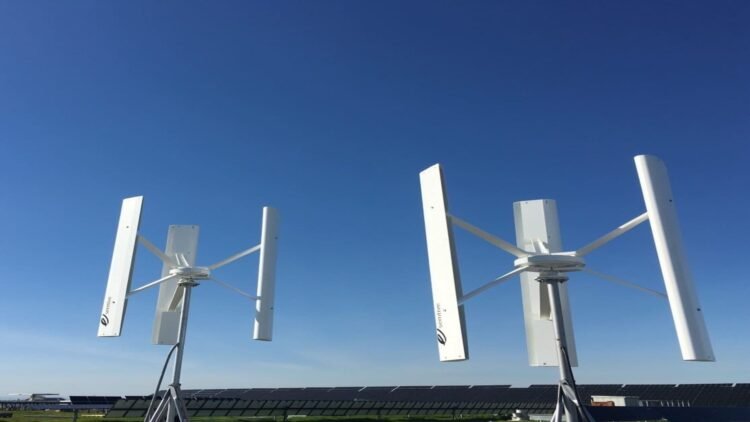
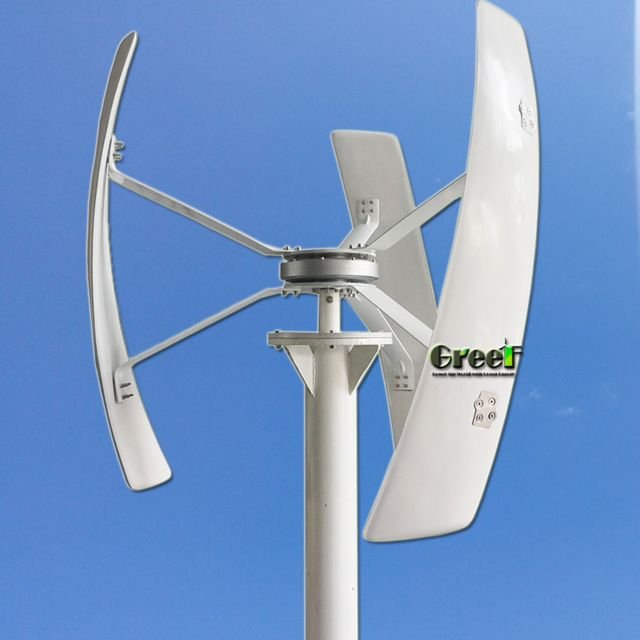
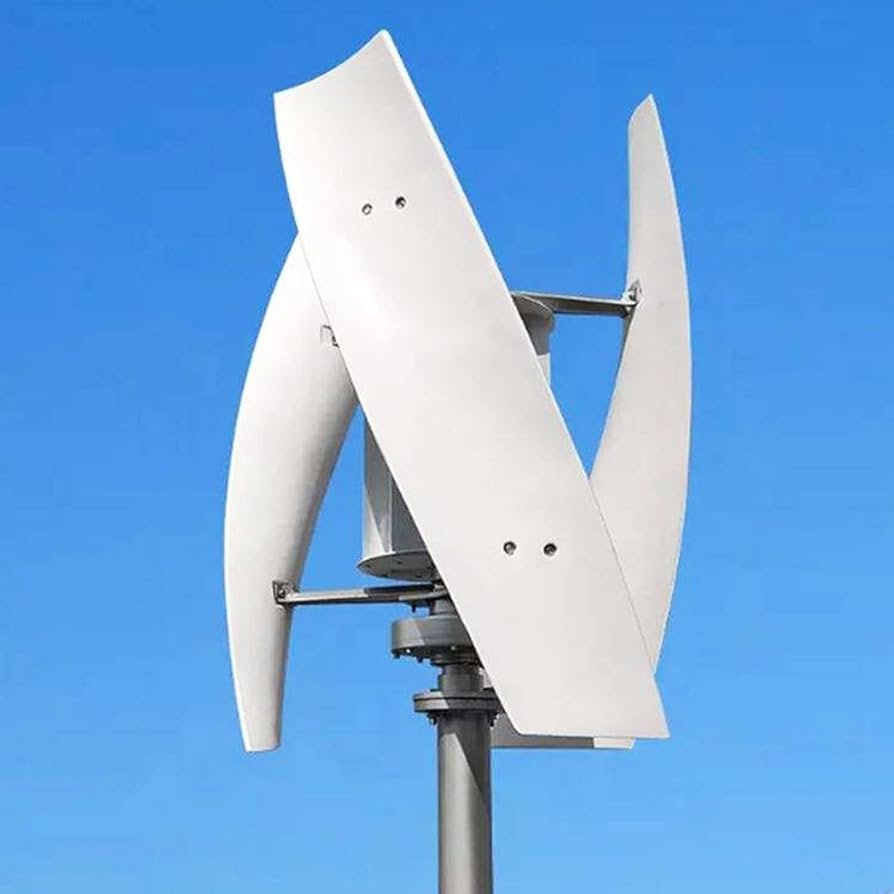
Vertical Axis Wind Turbines (VAWT)
While horizontal axis turbines remain dominant, vertical axis designs are gaining attention for:
- Better performance in turbulent environments
- Compact designs
- Urban adaptability
- Lower installation heights
Although still developing, VAWT technology shows promising potential for urban applications.
Durability and Weather Resistance
Modern systems are engineered to withstand:
- Extreme wind speeds
- Heavy rain
- Snow and ice
- Temperature fluctuations
Enhanced coatings and corrosion-resistant materials extend system lifespans.
The Road Ahead
As global energy transitions accelerate, small-scale wind turbines are expected to play a larger role in decentralized energy production. Continued research and investment will likely improve efficiency, reduce costs, and expand accessibility.
Homeowners who adopt residential wind systems today position themselves at the forefront of sustainable innovation. With advancing technology, wind energy is becoming more practical, reliable, and economically attractive than ever before.